
Backyard farming has become one of the most rewarding ways for families to reconnect with where their food comes from, without needing acres of land or years of experience. Whether you’re just starting backyard farming for beginners or looking to expand an existing setup, raising chickens is one of the simplest entry points into this lifestyle — offering fresh eggs, natural pest control, and a genuine connection to sustainable living right in your own yard. A well-planned backyard farming setup doesn’t require a huge budget or a rural property; even a modest suburban backyard can support a small, thriving flock with the right coop, the right breed, and a bit of daily care. As more people discover the practical and personal rewards of small-scale backyard farming, it’s clear this isn’t just a passing trend — it’s a return to a simpler, more hands-on way of living..There is something uniquely rewarding about backyard chicken keeping. The gentle sound of chickens scratching through the soil, their quiet clucking as they move around the yard, and the satisfaction of collecting fresh eggs from your own nesting boxes can make keeping a small flock an incredibly enjoyable experience.
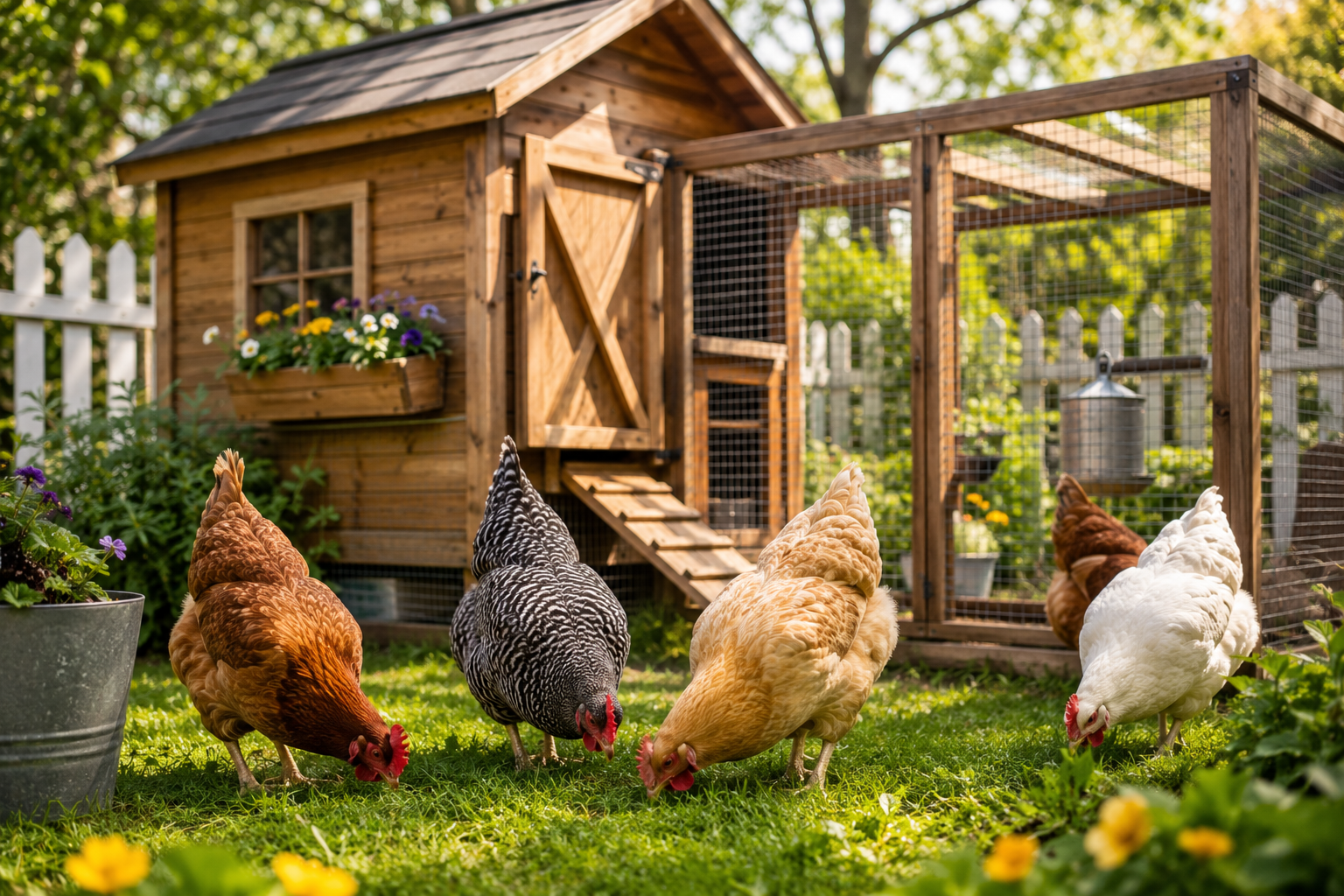
For many people, backyard chickens begin with a simple idea: fresh eggs at home. But once the flock arrives, most chicken keepers discover that there is much more to it. Chickens have individual personalities, entertaining habits, and surprisingly social behavior. They can also help with garden pests, turn suitable kitchen scraps into useful manure, and become an enjoyable part of everyday backyard life.
However, successful chicken keeping starts with preparation. Before bringing home your first chicks or hens, you need to understand local rules, choose an appropriate breed, prepare a secure coop and run, provide the right nutrition, and learn how to protect your flock throughout the seasons.
This complete guide to backyard chicken keeping covers the fundamentals you need to know before starting your flock and the practical considerations that will continue to matter as your chickens grow.
Why Is Backyard Chicken Keeping So Popular?
Ask different chicken keepers why they started raising chickens and you will probably hear different answers. For some, it is all about fresh eggs. For others, chickens are pets, garden helpers, or simply an enjoyable backyard hobby.
Fresh eggs are certainly one of the biggest attractions.
A well-fed laying hen can provide a regular supply of fresh eggs during her productive years. Many backyard keepers enjoy knowing exactly how their hens are cared for and what goes into producing the food their family eats.
But eggs are often only the beginning.
Chickens are naturally curious animals. They scratch through soil, search for insects, interact with one another, and quickly develop recognizable personalities. Some may follow their owners around the yard, while others prefer exploring independently.
There are practical benefits as well. Chickens can help with certain backyard pests, and their manure can become a valuable source of nutrients when properly managed and composted.
Compared with many other types of backyard livestock, chickens can also be relatively inexpensive and manageable once the basic setup is established.
What Should You Do Before Getting Chickens?
One of the most important rules of backyard chicken keeping is simple: prepare before you buy your birds.
Getting chickens first and figuring everything else out later can create unnecessary problems.
Check Your Local Chicken-Keeping Rules
Local regulations should be one of your first considerations.
Rules concerning backyard poultry can vary significantly between locations. Some areas may allow hens but prohibit roosters. Others may place limits on flock size, require minimum distances from property lines, or require permits.
Before purchasing chickens, check:
- Whether backyard chickens are permitted in your area
- How many hens you are allowed to keep
- Whether roosters are permitted
- How far the chicken coop must be from property lines
- Whether a permit or inspection is required
- Whether your neighborhood or HOA has additional restrictions
If you live in an area governed by an HOA or similar community organization, check those rules separately.
Taking a few minutes to confirm the requirements before building a coop or buying chickens can save you significant trouble later.
Consider Your Neighbors
Talking to nearby neighbors is not always legally required, but it can be a smart part of responsible backyard chicken keeping.
Chickens can make some noise, particularly when laying eggs or establishing their social order. Roosters are considerably louder and may create problems in suburban environments.
A friendly conversation with neighbors can help prevent misunderstandings. In some cases, sharing a few fresh eggs can make your new flock a welcome addition rather than a source of complaints.
How Many Chickens Should You Keep?
The right flock size depends on your household’s needs, available space, local regulations, and how much time you want to devote to your chickens.
A useful starting point is to consider how many eggs your household normally consumes in a week.
Many families find that a small flock of several hens provides a comfortable balance between egg production and manageable daily care. Chickens are also social animals, so keeping a single chicken is generally not ideal.
When planning your flock, remember that egg production is not identical every day. A healthy laying hen can produce an egg roughly every day during peak production, but laying naturally changes with age, season, molting, and other conditions.
Starting with a manageable flock is usually better than taking on more chickens than your space and routine can comfortably support.
Should You Start With Chicks or Adult Hens?
There are several ways to begin backyard chicken keeping, and each option has advantages and disadvantages.
Day-Old Chicks
Day-old chicks are a common choice for beginners who want to experience the entire process of raising chickens.
They are generally less expensive than older birds, but they require additional equipment and attention during their early weeks.
You will need a suitable brooder, controlled warmth, appropriate chick feed, clean water, and protection from drafts and predators.
The major disadvantage is patience. Chicks will not immediately provide you with eggs. You will need to wait until they mature.
Pullets
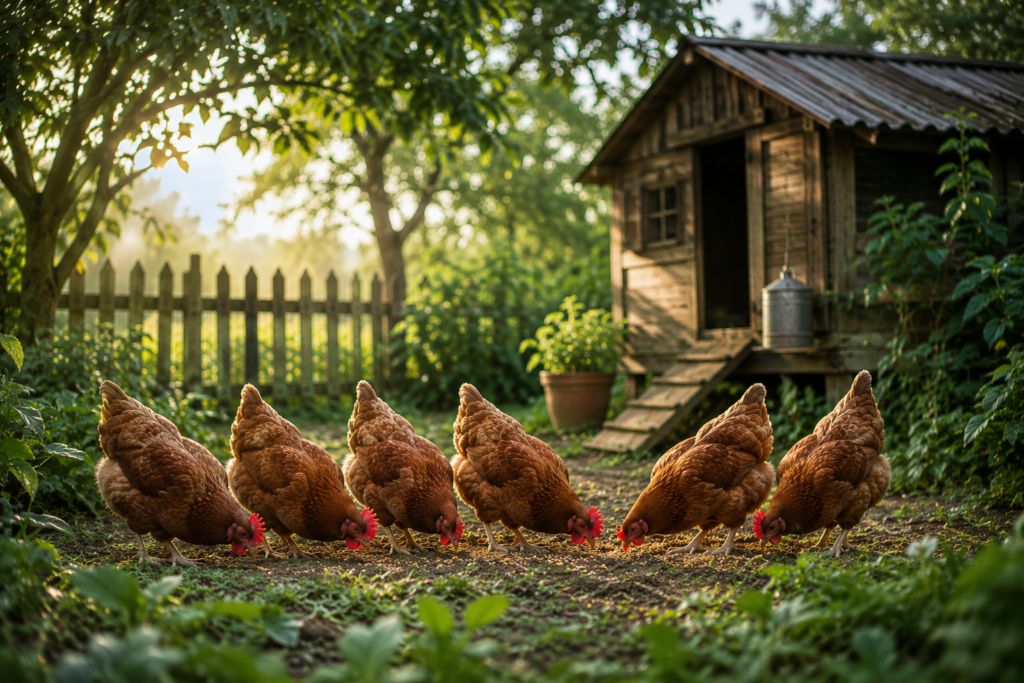
Pullets are young hens that are past the earliest chick stage but have not necessarily reached full laying age.
Choosing pullets allows you to skip the brooder stage while still getting relatively young birds.
They can cost more than chicks, but they require less specialized early-care equipment.
Point-of-Lay Hens
Point-of-lay hens are young females that are approaching the age when they begin laying eggs.
For people primarily interested in fresh eggs rather than raising chicks, this can be an attractive option.
The main trade-off is cost. Older, nearly mature hens generally cost more than day-old chicks.
Ultimately, there is no single correct way to start. Your choice depends on whether you want the experience of raising chicks, how quickly you want eggs, and how much initial work you are prepared to handle.
Choosing the Best Chickens for Your Backyard
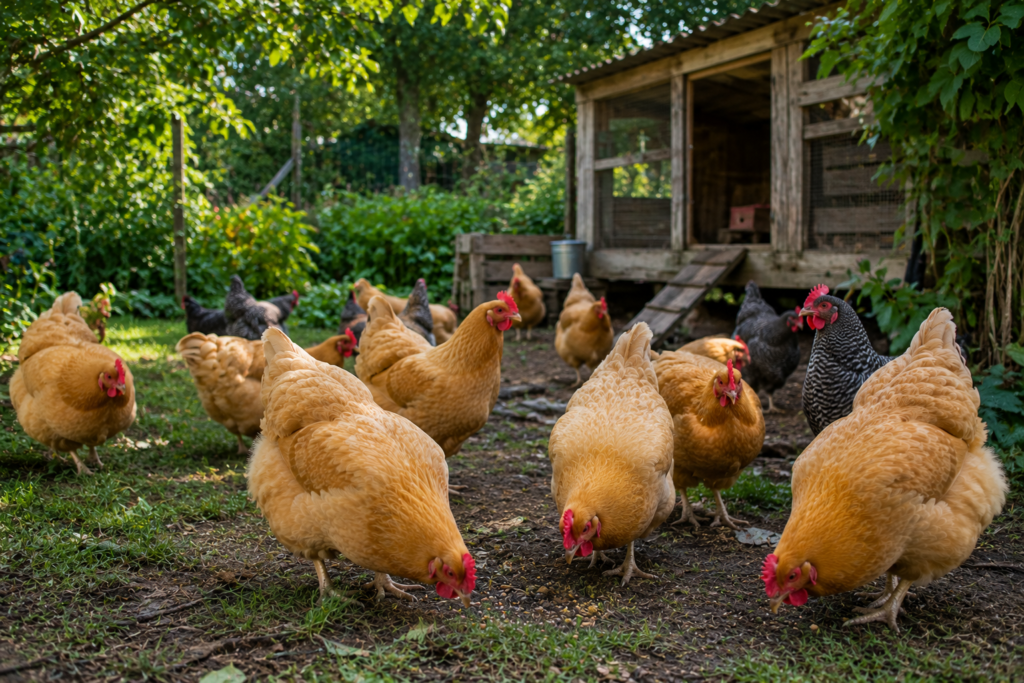
Breed selection is another important part of successful backyard chicken keeping.
There are many chicken breeds and varieties, so beginners can easily become overwhelmed by the choices.
Instead of choosing a breed simply because it looks attractive, consider several practical characteristics.
1. Climate
Your local climate should influence your breed selection.
In hot and humid areas, breeds that cope well with heat can be preferable. In colder climates, cold-hardy breeds may be a better fit.
Climate is particularly important because chickens must cope with seasonal temperature changes while remaining healthy and productive.
2. Temperament
If you have children or want chickens that are comfortable around people, temperament matters.
Calmer breeds can be easier and more enjoyable for families, especially when chickens are treated partly as pets.
Some production-oriented birds may be more active or flighty.
3. Egg Production
Think about why you are keeping chickens.
Some breeds are primarily selected for egg production, while others are dual-purpose birds. Some are particularly popular because they produce eggs with distinctive shell colors.
If your main objective is a steady supply of eggs, prioritize breeds known for good laying performance.
4. Noise
Hens are not completely silent. They can become surprisingly vocal, particularly after laying an egg.
However, roosters are generally much louder.
If you live in a densely populated neighborhood or have close neighbors, a flock consisting only of hens may be a much easier option.
Importantly, hens do not need a rooster to produce eggs. A rooster is only necessary if you want fertilized eggs for reproduction.
How to Build the Right Chicken Coop
A secure, well-designed coop is one of the most important investments you will make in backyard chicken keeping.
Your chickens need a protected place to sleep, lay eggs, escape bad weather, and stay safe from predators.
A poorly designed coop can create problems with moisture, overcrowding, ventilation, disease, and predator attacks.
How Much Space Do Chickens Need?
A commonly used starting point is around 3 to 4 square feet of indoor coop space per chicken, with additional room being beneficial when birds spend more time indoors.
The outdoor run should also provide enough room for movement and natural behaviors.
Overcrowding can contribute to stress, boredom, feather pecking, and aggressive behavior.
More space is generally helpful when your property allows it.
Install Proper Roosting Bars
Chickens naturally prefer to sleep on elevated perches rather than directly on the floor.
Wooden roosting bars are a practical choice because they are comfortable for chickens to grip.
Place roosts at an appropriate height and provide enough length for the flock. If several roosting levels are available, chickens may naturally establish their preferred positions according to their social hierarchy.
Provide Nesting Boxes
Nesting boxes give hens a clean, quiet place to lay eggs.
You do not necessarily need one nesting box per chicken. A small flock can often share several boxes comfortably.
Use suitable bedding and position nesting boxes lower than the roosts. Chickens generally prefer sleeping in elevated locations while choosing more secluded areas for laying.
Ventilation Is Essential
One common mistake in backyard chicken keeping is confusing warmth with good ventilation.
A chicken coop needs adequate airflow to reduce moisture and ammonia buildup. Ventilation should allow air movement without creating dangerous drafts directly across sleeping birds.
Healthy adult chickens can generally tolerate cold conditions much better than excessive heat and moisture.
Avoid relying on unsafe heat sources simply because the weather is cold. Proper coop design, dry bedding, and protection from drafts are more important foundations.
Make the Coop Predator-Proof
Predator protection should be a major priority.
Depending on your location, chickens may face threats from animals such as foxes, raccoons, dogs, cats, and birds of prey.
A secure run should be enclosed, including overhead protection where aerial predators are present.
Fencing should also be secured against digging animals. Hardware cloth is generally more secure around vulnerable areas than lightweight chicken wire, which may not stop determined predators.
The goal is not simply to keep chickens inside the run. The goal is to keep predators outside.
Feeding Chickens the Right Way
Nutrition changes as chickens grow, so the feed you provide should match their stage of development.
A simple feeding structure is:
| Chicken Stage | Approximate Age | Typical Feed |
|---|---|---|
| Chick starter | Hatch to 8 weeks | Higher-protein starter feed |
| Grower | 9 to 18 weeks | Grower feed |
| Layer | Around 19 weeks onward | Layer feed with additional calcium |
Adult chickens generally regulate their food intake when provided with appropriate feed.
Treats can be part of a flock’s routine, but they should remain a small portion of the overall diet. Too many treats can dilute the balanced nutrition supplied by complete chicken feed.
Why Do Chickens Need Grit?
Chickens do not have teeth.
Instead, they use grit in their digestive system to help grind food.
If chickens have access to appropriate natural grit, their needs may be met depending on their environment and diet. In situations where they lack suitable grit, supplemental grit may be necessary.
Calcium for Laying Hens
Laying hens require calcium for strong eggshells.
A suitable calcium source can be provided separately so that laying hens can consume what they need.
Calcium requirements become especially important once hens enter their laying stage.
Fresh Water Is Critical
Clean, fresh water should always be available.
Water is particularly important during hot weather because chickens can become stressed when temperatures rise.
Place water in a shaded, clean location and check it regularly.
A reliable water supply is one of the simplest but most important parts of daily chicken care.
Backyard Chicken Keeping Through the Seasons
Chicken care changes throughout the year.
Understanding seasonal behavior helps new keepers avoid unnecessary concern.
Spring Chicken Care
Spring is often associated with increased egg production.
It can also be a time when hens become broody. A broody hen may persistently sit in a nesting area because she wants to hatch eggs.
Spring is also a popular time for starting a new flock with chicks.
Summer Chicken Care
Heat can be a major challenge for chickens.
Providing shade, ventilation, and plenty of clean water becomes especially important.
Unlike cold weather, extreme heat can quickly create serious stress for chickens.
Monitor your flock closely during very hot conditions and make sure birds can move to cooler areas.
Fall and Molting
Many chickens molt in the fall.
During molting, chickens lose old feathers and grow new ones. Egg production may decrease because the bird’s energy is being redirected toward feather growth.
New chicken keepers can find molting alarming because feathers may appear everywhere in the coop and run.
In most cases, however, normal molting is simply a natural part of the chicken’s yearly cycle.
Winter Chicken Care
Winter does not automatically mean that chickens need supplemental heat.
A properly designed coop should protect chickens from excessive drafts while remaining adequately ventilated.
Keep bedding dry and make sure chickens have protection from harsh weather.
Egg production may naturally decrease as daylight hours become shorter, particularly in older hens.
How Long Do Backyard Chickens Live?
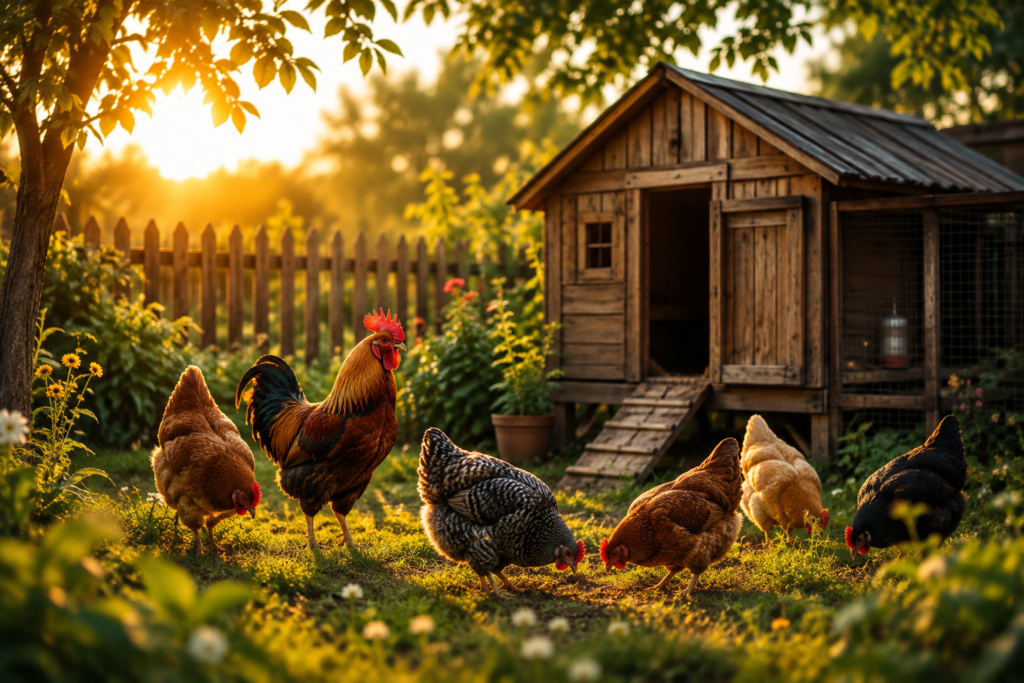
One important consideration before starting backyard chicken keeping is that chickens can remain part of your household long after their peak laying years.
With appropriate care and protection from predators, backyard chickens may live for many years.
Egg production, however, generally follows a different timeline.
Hens tend to be most productive during their first few laying years. Production can gradually decline as they age.
Eventually, an older hen may lay very few eggs or stop laying altogether while still remaining a valued member of the flock.
This is worth considering before getting chickens.
A backyard flock should not be viewed only as an egg-producing system. If you plan to keep chickens for several years, you should be prepared to care for older hens even after their productive period declines.
Common Backyard Chicken Keeping Mistakes to Avoid
Beginners can avoid many problems simply by preparing properly.
Here are some common mistakes to watch for:
Buying Chickens Before Building the Coop
Your birds should have a safe, suitable home ready before they arrive.
Keeping Too Many Chickens
More chickens mean more feed, waste, space requirements, and daily care.
Start with a flock size you can comfortably manage.
Ignoring Predator Protection
A coop that looks secure to a person may still be vulnerable to a determined predator.
Inspect fencing, doors, roofing, and ground-level gaps regularly.
Poor Ventilation
A completely sealed coop can trap moisture and ammonia.
Good ventilation is essential.
Feeding Too Many Treats
Treats should complement a balanced diet rather than replace it.
Forgetting Water
Food is important, but chickens also require reliable access to clean water every day.
Assuming Chickens Need a Rooster
If your goal is simply fresh eggs, a rooster is not required.
Is Backyard Chicken Keeping Right for You?
Before starting a flock, consider your daily routine and available space.
Ask yourself:
- Do I have enough room for a secure coop and run?
- Are chickens permitted where I live?
- Can I provide fresh food and water every day?
- Can I protect them from predators?
- Am I prepared for seasonal changes in care?
- Can I continue caring for older hens after egg production declines?
- Do I have enough time for routine cleaning and flock observation?
If the answer to these questions is yes, backyard chicken keeping can be a rewarding and enjoyable addition to your home.
Final Thoughts on Backyard Chicken Keeping
Backyard chicken keeping is about much more than collecting fresh eggs.
It is the experience of caring for a small flock, watching chickens develop individual personalities, learning their routines, and creating a safe environment where they can thrive.
The key to getting started is preparation.
Check your local regulations before buying birds. Choose a flock size that fits your space and household. Select breeds according to climate, temperament, and your goals. Build a secure coop and predator-resistant run. Provide appropriate feed, grit, calcium, and fresh water. Finally, learn how your chickens’ needs change throughout the seasons.
Once the basic setup is right, daily chicken care becomes much easier.
Whether you are still researching your first flock or already have chickens scratching around your backyard, learning the fundamentals will help you become a more confident keeper.
A small flock may start with a few hens and a simple coop, but for many people, it quickly becomes one of the most enjoyable parts of backyard life.
Frequently Asked Questions About Backyard Chicken Keeping
How many chickens should a beginner start with?
A small flock is usually easier for beginners to manage. Your ideal number depends on your household’s egg consumption, available space, and local regulations.
Do hens need a rooster to lay eggs?
No. Hens can lay eggs without a rooster. A rooster is only needed if you want fertilized eggs for reproduction.
How much space do backyard chickens need?
A useful starting point is approximately 3 to 4 square feet of indoor coop space per bird, along with additional outdoor run space. More room is generally beneficial.
Do chickens need heat in winter?
Healthy adult chickens can generally tolerate cold conditions when they have a suitable, dry, well-ventilated coop protected from drafts. Coop design and dry bedding are important considerations.
What should backyard chickens eat?
Chickens should receive feed appropriate for their age and production stage. Chicks need starter feed, growing birds need grower feed, and laying hens need an appropriate layer diet with sufficient calcium.
How long can backyard chickens live?
With good care and protection from predators, backyard chickens can live for many years. Their egg production generally declines as they get older, even though they may remain healthy flock members.
Is backyard chicken keeping difficult?
The initial setup requires planning, but once you have a secure coop, appropriate feed, reliable water, and a manageable flock size, daily chicken care can become a straightforward routine.
What is the most important thing for new chicken keepers?
Preparation is one of the most important factors. Make sure your coop, run, food, water, predator protection, and local legal requirements are addressed before bringing chickens home.