
If you are searching for backyard chickens for beginners, you are probably wondering how difficult it really is to keep chickens at home. The good news is that raising a small flock does not require a large farm or years of experience. With the right breed, a safe coop, clean water, proper feed, and a simple daily routine, even a first-time chicken keeper can successfully raise healthy hens and enjoy fresh eggs from the backyard.
But before you buy your first chicks, there are a few things you should understand. Choosing chickens on impulse, building a coop that is too small, or ignoring predators can quickly turn an exciting hobby into a frustrating experience.
This beginner-friendly guide walks you through the entire process, from choosing your first chickens to feeding, housing, egg collection, and common mistakes to avoid.
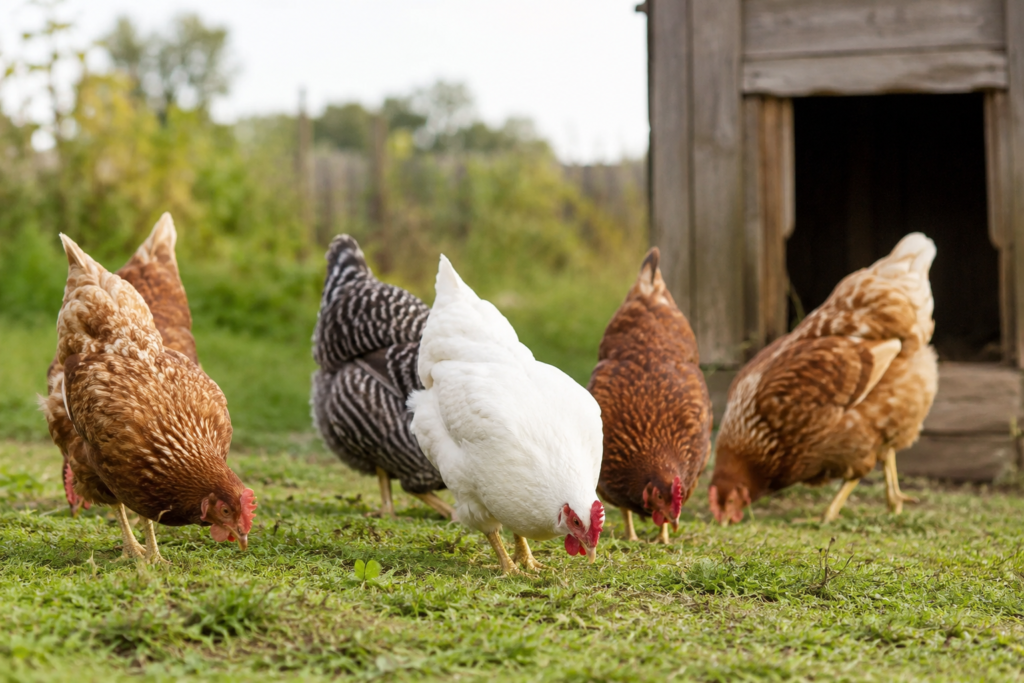
Why Keep Chickens in Your Backyard?
There is a reason backyard chickens have become so popular. Chickens are relatively easy to care for once their basic needs are met, and they can provide fresh eggs while becoming surprisingly entertaining pets.
Here are some of the biggest benefits:
- Fresh eggs for your household
- A rewarding outdoor hobby
- Chickens can help reduce certain garden pests
- Manure can be composted and used to improve soil
- They can teach children about animal care and responsibility
- A small flock can fit into many suburban or rural backyards
However, chickens are living animals rather than a source of “free eggs.” They need daily attention, protection from weather and predators, and responsible care throughout the year.
How Many Chickens Should a Beginner Start With?
One of the first questions beginners ask is, “How many chickens should I get?”
For most new chicken keepers, 3 to 6 hens is a practical starting point. Chickens are social flock animals, so keeping a single bird is generally not a good idea. Current beginner guides commonly recommend starting with a small group rather than building a large flock immediately.
Starting small has another advantage: you can learn your chickens’ behavior and daily routine without becoming overwhelmed.
If your goal is simply fresh eggs for a family, a few healthy laying hens may be all you need.
Do You Need a Rooster?
No.
If you only want eggs, you do not need a rooster. Hens will lay eggs without one.
A rooster is only necessary if you want fertile eggs and plan to hatch chicks. Roosters can also create additional noise and may be restricted by local rules, so beginners should check regulations before adding one.
Check Local Chicken-Keeping Rules First
Before buying chicks or building a coop, check the regulations that apply to your property.
Depending on where you live, there may be restrictions concerning:
- Number of chickens allowed
- Whether roosters are permitted
- Coop location
- Property-line setbacks
- Sanitation requirements
- Noise
- Permits or registration
This is one of the easiest beginner mistakes to avoid. A beautiful coop does not help if local regulations do not allow chickens on your property. Competitor guides consistently place checking local laws near the beginning of the chicken-keeping process.
Choosing the Best Chicken Breeds for Beginners
Breed choice can make your first chicken-keeping experience much easier.
Rather than choosing a breed simply because it looks attractive, consider three things:
- Temperament
- Egg production
- Climate and environment
Some breeds are calm and easy to handle, while others are more active, nervous, or difficult to manage.
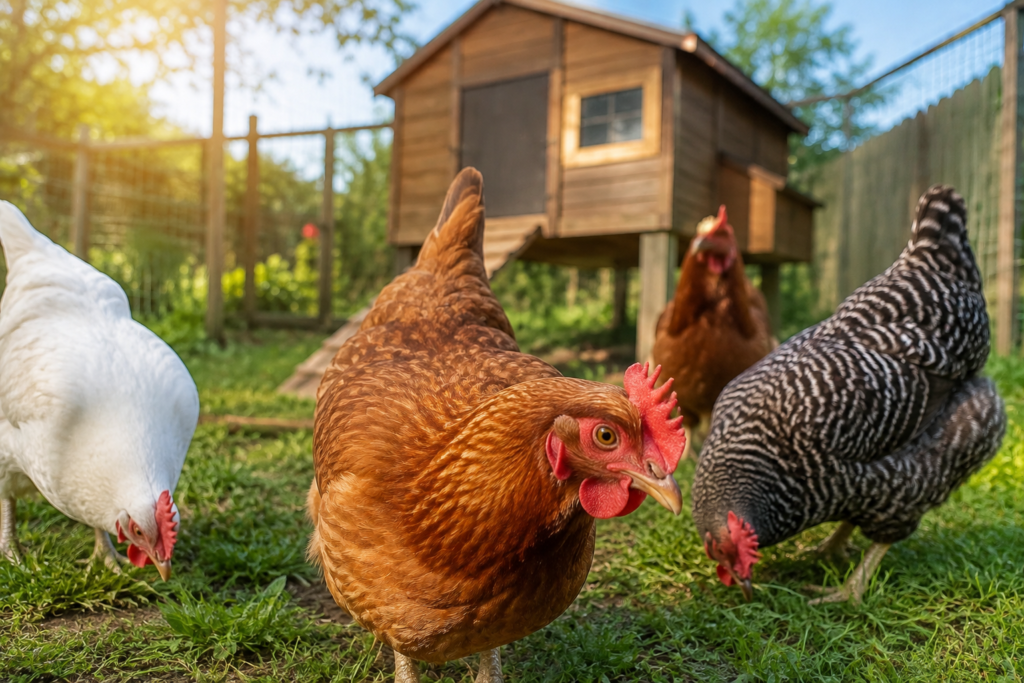
Beginner-Friendly Chicken Breeds
Buff Orpington:
A popular choice for beginners because these birds are generally gentle, friendly, and good backyard chickens.
Plymouth Rock:
Hardy, adaptable, and useful as both an egg-laying and dual-purpose breed.
Australorp:
Known for good egg production and a generally calm personality.
Rhode Island Red:
A productive and hardy option, particularly popular with people who want dependable egg layers.
Easter Egger:
A fun choice if colorful eggs appeal to you. Egg color can vary because Easter Eggers are not a single standardized breed.
Sussex:
Often recommended for beginners because of its friendly and active nature.
Current breed guides repeatedly highlight Buff Orpingtons, Plymouth Rocks, Australorps, Rhode Island Reds, Sussex, and Easter Eggers as useful choices for first-time keepers, although individual birds can vary considerably in temperament.
Don’t Choose a Breed Based Only on Egg Numbers
It is tempting to choose whichever chicken supposedly lays the most eggs. But production isn’t the only thing that matters.
A calm hen that is easy to handle may be a much better fit for a beginner than an extremely active breed that is difficult to contain.
Think about the complete package: temperament + climate tolerance + space requirements + egg production.
Setting Up the Chicken Coop
A good coop is the foundation of a healthy flock.
Your chickens need a place where they can:
- Sleep safely at night
- Stay dry during rain
- Get protection from wind and extreme weather
- Roost comfortably
- Lay eggs in nesting boxes
- Escape predators
One commonly cited guideline is around 3–5 square feet of indoor floor space per adult chicken, along with approximately 10 square feet of outdoor run space per bird, although actual needs vary depending on breed, climate, setup, and how much time the chickens spend outside.
The important lesson is simple: do not overcrowd your chickens.
A slightly larger coop is usually easier to manage than one that is too small.
Ventilation Is More Important Than Beginners Think
A chicken coop should be protected from drafts, but that does not mean it should be completely sealed.
Good ventilation helps remove:
- Moisture
- Ammonia
- Excess heat
- Stale air
Too much moisture inside the coop can contribute to respiratory and other health problems.
At the same time, ventilation openings should be designed so predators cannot enter through them.
Nesting Boxes
Hens need a comfortable, relatively dark place to lay their eggs.
A common guideline is approximately one nesting box for every 3–4 hens.
You do not necessarily need a nesting box for every chicken. In fact, hens often have favorite boxes and may all try to use the same one.
Keep nesting material clean and dry, and collect eggs regularly.
Make the Coop Predator-Proof
Predators are one of the biggest risks to backyard chickens.
Depending on where you live, threats may include:
- Dogs
- Foxes
- Raccoons
- Snakes
- Birds of prey
- Other wild animals
Interestingly, current backyard chicken guidance identifies household dogs as an important potential predator, so don’t assume a family pet will automatically be safe around chickens.
Use strong fencing and secure doors, and check for gaps regularly.
A predator-proof coop is much better than discovering a problem after losing part of your flock.
What Do Backyard Chickens Eat?
Good nutrition is essential for healthy hens and consistent egg production.
The easiest option for beginners is a complete commercial chicken feed appropriate for the bird’s age and purpose.
Depending on their stage of life, chickens may need different types of feed, such as:
- Chick starter feed
- Grower feed
- Layer feed
Adult laying hens also require appropriate calcium for eggshell production. Supplemental calcium sources such as oyster shell are commonly used when appropriate.
Avoid relying on kitchen scraps as the main diet. Treats should remain a small part of the overall diet rather than replacing balanced feed.
Don’t Forget Fresh Water
Clean water is just as important as food.
Your chickens should have access to fresh, clean drinking water every day. Water containers should be checked frequently because chickens have a remarkable ability to turn clean water into a mixture of dirt, bedding, and feathers.
During hot weather, water becomes especially important.
Place waterers somewhere they are less likely to be contaminated by bedding and droppings, and clean them regularly.
Do Chickens Need Grit?
If chickens eat foods other than commercial feed, grit can help them grind food because chickens do not chew food the way humans do.
Free-ranging birds may find suitable small stones naturally, but birds kept in confined areas may need access to appropriate grit.
Grit is different from calcium supplements, so beginners should not confuse the two.
Raising Chicks vs. Buying Young Hens
Beginners generally have two straightforward options.
Starting With Chicks
Baby chicks are adorable, but they require more work.
They need:
- A brooder
- Appropriate heat
- Chick starter feed
- Clean water
- Safe bedding
- Careful temperature management
Young chicks are more vulnerable than adult birds, so this option requires extra attention.
Buying Started Pullets
A pullet is a young female chicken that has not yet fully matured into an adult laying hen.
For a beginner who mainly wants eggs and doesn’t want to manage a brooder, started pullets can be a much simpler option.
You may pay more initially, but you are skipping the most demanding early stage.
What Does a Normal Chicken Routine Look Like?
Chicken care does not have to take hours every day.
A simple routine might look like this:
Morning
Check the flock and make sure everyone looks alert and active.
Then:
- Provide fresh water
- Check feed
- Open the coop/run if appropriate
- Look for signs of injury or illness
During the Day
Watch your chickens occasionally.
You don’t need to stare at them, but knowing their normal behavior makes it easier to notice when something is wrong.
Evening
Before dark:
- Make sure all chickens are safely inside
- Count the birds
- Close and secure the coop
- Check that doors and fencing are properly locked
This last step is especially important because many predators become active around dusk and overnight.
When Will Hens Start Laying Eggs?
The exact age varies by breed, individual bird, nutrition, season, and environment.
Many pullets begin laying at roughly 5–7 months, although some start earlier or later.
Don’t panic if a young hen doesn’t immediately produce eggs.
Once your hens start laying, production can also change with age, season, stress, illness, nutrition, and daylight.
Why Did My Hen Stop Laying Eggs?
A sudden decrease in eggs can have several causes.
Common possibilities include:
- Seasonal changes
- Molting
- Stress
- Poor nutrition
- Illness
- Parasites
- Age
- Changes in daylight
- Extreme weather
Instead of assuming that every decrease in egg production is normal, look at the chicken as a whole. Changes in appetite, behavior, droppings, breathing, or appearance may indicate a health problem.
Basic Chicken Health Care
Healthy chickens are active, curious, and interested in eating.
Get familiar with your flock’s normal behavior so you can spot changes early.
Watch for:
- Lethargy
- Loss of appetite
- Difficulty breathing
- Persistent diarrhea
- Sudden weight loss
- Injuries
- Abnormal droppings
- Changes in comb or feathers
- Isolation from the flock
Good hygiene and biosecurity are important parts of chicken care. If a bird becomes seriously ill or you are unsure what is wrong, contact a veterinarian with poultry experience.
Common Mistakes Backyard Chicken Beginners Make
Even well-prepared beginners can make a few mistakes.
1. Starting With Too Many Chickens
A large flock sounds exciting until you have to clean the coop, buy feed, manage illness, and protect everyone from predators.
Start small and expand later if your space and routine allow it.
2. Building a Tiny Coop
Saving money on coop size can create problems later.
Chickens need enough room to move, roost, eat, and rest comfortably.
3. Ignoring Predators
A chicken that looks safe behind a fence isn’t necessarily protected.
Check doors, wire, roof areas, and small gaps regularly.
4. Choosing a Breed Without Considering Climate
A breed that performs well in one environment may not be the best choice for another.
Consider your local temperatures, humidity, shade, ventilation, and seasonal weather before buying birds. Breed experts also emphasize matching chickens to local climate conditions.
5. Treating Chickens Like Decorations
Chickens are entertaining, but they still require daily care.
Fresh water, feed, secure housing, cleaning, observation, and protection from predators are ongoing responsibilities.
How Much Does It Cost to Keep Backyard Chickens?
The cost depends heavily on what you already have and how you build your setup.
Your initial expenses may include:
- Chickens or chicks
- Coop
- Run/fencing
- Feeders
- Waterers
- Bedding
- Feed
- Nesting boxes
- Brooder equipment if raising chicks
- Predator protection
- Basic health supplies
The coop and fencing can be the biggest initial expenses.
One useful approach is to calculate the setup cost before buying the chickens. This prevents the common situation where someone buys birds first and realizes afterward that the safe housing costs more than expected.
How to Keep Chickens Comfortable in Hot Weather
Heat can be particularly challenging for backyard chickens.
During hot weather, provide:
- Plenty of clean water
- Shade
- Good airflow
- A well-ventilated coop
- Protection from direct afternoon sun
Avoid overcrowding because a crowded coop can become significantly hotter.
If a chicken is showing signs of severe heat stress, take the situation seriously and seek appropriate veterinary guidance.
How to Keep Chickens Safe in Cold Weather
Cold-weather needs depend on the breed, age, housing, and local climate.
A dry, well-ventilated coop is important. Avoid creating a damp environment by sealing the coop completely.
Before winter arrives, inspect:
- Roof leaks
- Door gaps
- Bedding
- Ventilation
- Water access
- Predator protection
Good preparation is usually better than trying to fix problems after extreme weather arrives.
Can Chickens Free-Range in the Backyard?
They can, but free-ranging comes with trade-offs.
Free-ranging gives chickens opportunities to forage and explore, but it also exposes them to predators, traffic, poisonous plants, gardens, and neighboring properties.
A secure run is often the safer choice when you cannot supervise free-ranging.
You can also combine both approaches by allowing supervised free-ranging for part of the day.
How Often Should You Clean a Chicken Coop?
There is no single cleaning schedule that works for every coop.
It depends on:
- Number of chickens
- Coop size
- Bedding type
- Ventilation
- Weather
- How much time chickens spend inside
Remove obviously wet or heavily soiled bedding regularly, clean waterers frequently, and perform deeper cleaning as needed.
The goal isn’t to make the coop sterile. The goal is to keep it dry, reasonably clean, well-ventilated, and safe.
Are Backyard Chickens Worth It?
For many people, yes.
The biggest benefit isn’t just the eggs. It’s the routine of caring for animals, spending time outdoors, and knowing exactly where at least some of your food comes from.
But backyard chickens aren’t completely maintenance-free. They need care every day, including weekends and holidays.
If you travel frequently or don’t have someone reliable who can care for them, think carefully before starting a flock.
Backyard Chickens for Beginners: A Simple Starting Plan
If everything above feels like a lot, don’t worry. You don’t have to become an expert before getting your first chickens.
A simple approach is:
Step 1: Check local chicken-keeping regulations.
Step 2: Decide how many hens you realistically need.
Step 3: Choose beginner-friendly breeds that suit your climate.
Step 4: Build or buy a secure, well-ventilated coop.
Step 5: Add a predator-resistant run.
Step 6: Buy appropriate feed, waterers, feeders, bedding, and nesting supplies.
Step 7: Choose chicks or started pullets.
Step 8: Establish a simple morning and evening routine.
Step 9: Learn your chickens’ normal behavior.
Step 10: Expand your flock only after you’re comfortable with the basics.
Frequently Asked Questions
How many chickens should a beginner get?
For many beginners, 3–6 hens is a manageable starting flock. Chickens are social animals, so keeping several together is generally preferable to keeping one alone.
What is the easiest chicken breed for beginners?
There isn’t one perfect breed for everyone, but Buff Orpingtons, Plymouth Rocks, Australorps, Rhode Island Reds, Sussex, and Easter Eggers are frequently recommended for beginners.
Do I need a rooster for eggs?
No. Hens lay eggs without a rooster. You only need a rooster if you want fertile eggs for breeding or hatching.
How much space do backyard chickens need?
A commonly used guideline is approximately 3–5 square feet of indoor coop space per hen and around 10 square feet of run space per bird, but requirements vary by setup and conditions.
Are backyard chickens difficult to care for?
They are manageable for beginners when their basic needs are properly planned. The key responsibilities are providing suitable housing, food, clean water, predator protection, and regular observation.
Can I keep chickens in a small backyard?
Yes, a small flock can work in a modest backyard, provided local rules allow it and you can provide enough safe space and secure housing.
Final Thoughts
Starting backyard chickens for beginners doesn’t have to be complicated. You don’t need dozens of birds, an expensive farm, or years of experience. What you do need is a realistic plan.
Start with a small flock, choose calm and climate-appropriate hens, build a secure coop, provide good feed and clean water, and make predator protection a priority. Most importantly, learn to observe your chickens. Their behavior will often tell you more about their health and comfort than any checklist.
Once you get through the first few weeks, the routine becomes much easier. Before long, opening the coop in the morning, checking your hens, and collecting fresh eggs can become one of the most enjoyable parts of your day.
The best backyard chicken setup isn’t necessarily the biggest or most expensive one. It is the setup that is safe, practical, easy to maintain, and suited to both your chickens and your lifestyle.